Property Upgrades = Increased Rent$

News tip: Corporate housing is in high demand right now.  I talked to one provider yesterday who just leased 6 properties back to back on Friday.  She told me one of her tips for getting these properties rented  is the really started managing their availability calendar on CHBO and they found the number and quality of the tenant leads increased!

Another way to a attract more renters, increase rental rates and have happy renters who stay longer is take a minute to do a few upgrade.

Upgrades can be divided into three main categories: Must do now, make it look good and preventative.  To keep your rental property looking good and running smoothly you will need to create a checklist of tasks that need to be performed on a routine basis, which we will cover in the next chapter on maintenance.  Right now we want to take a look at the concept of upgrades on your property and remember the goal is not to break the bank.

Spruce It Up – You wouldn’t go to a job interview or a blind date with wrinkled, mismatched fashion or disheveled hair, would you?  Dress it up! There are properties that never see a day of vacancy while others properties simple languish on the market… While a property’s location and amenities have a lot to do with it, a little internal sprucing up can do wonders for improving a rental property’s occupancy rate.

Items you may want to think about would be replacing linoleum flooring with tile or new stylish laminate.  Replacing old kitchen counters can make a big impact.  Think about the tenants first impression of the property and you may want to upgrade the front door or doorknob.  Light switches can often get dirty and hard to clean, think about switching out light switches with nicer looking rocker switches.  There is nothing worse than a shower head that has 10 years of grime and mineral buildup on it, switch them out for new low flow heads this will make the bathroom look nicer and save you on the water bill.  Lighting is another easy upgrade, you can change the entire feel of a room with a new light fixture.  You may also want to consider adding ceiling fans if you are in a warmer climate.

Paint – Add some color contrast to your walls – don’t just stick with plain old white. Check out pictures in magazines or go to real estate open houses on the market to get some ideas.  One or two walls of an accent color can really freshen up a property and take something that looks plain and make it the property they want to live in.

Have fun and for more ideas on how to improve your rental take a look at The Corporate Housing Handbook.

Discussion Time: Can Landlords say NO to guns?

CHBO’s goal when we started this blog a number of years ago was to make the blog as educational as possible – our goal was not to state our opinion but rather to give information to you that would allow you the necessary knowledge to be as successfull as possible with your property rentals and if you are new to the blog don’t just read this post but look back at the archives and read more.

More Free CHBO Tools:  Corporate Housing Handbook,  “by Owner” Annual Report

This was posted on All Property Managent this week…

Can Landlords Limit Their Tenants’ Second Amendment Right to Bear Arms?

By Tracey March

Every day in our country about 289 people are shot,some deliberately and some by accident. A gun in the home is 22 times more likely to be used to kill or injure someone in a domestic murder, suicide, or accident than to be used in self-defense. (From the Brady Campaign to Prevent Gun Violence.)

Given these troubling statistics, many landlords and property managers have been wondering if their property rights allow them to limit gun ownership in their rental properties without violating the Second Amendment right to bear arms. The answer is yes. The Second Amendment is a limit on government power, not a limit on private citizens. And if a private citizen landlord wants to ban guns in his or her rental properties, there is no Second Amendment violation.

Gun owners who are told they can no longer keep their guns may claim they are being discriminated against, but they will find no support in fair housing laws as gun owners are not considered a protected class under those rules.

However, if you do want to limit or prohibit firearms on your rental property, implementing and enforcing those policies could be difficult. Landlord tenant law requires you to wait until the end of each tenant’s lease and include the limit or ban in the new lease or in a set of House Rules that your tenants sign when they renew.

And what if you suspect your tenants are keeping a firearm in a rental unit, in violation of your established policy? You might have a hard time verifying that a gun is being stored on the premises because state privacy laws may prevent you from doing an inspection. However, if you do have proof of a violation, and your tenants have agreed in the lease to abide by your policy, you can initiate an eviction.

Finally, a limited number of states, like Minnesota, have enacted laws that prohibit landlords from limiting tenants from owning firearms, so if you are thinking about limiting or banning firearms on your rental property, make sure that doing so won’t violate your state’s laws.

Mail Bag: Oops I broke the LAW! – The Americans With Disabilities Act

” I had a  rental inquiry that asked if service dogs were ok….I said, very sorry – no dogs allowed. They responded with a letter from an attorney telling me that it is a Fair Housing Act statute and against federal law to discriminate against/not allow people with service dogs t orent your apartment. I am pretty sure  they are legally correct  – but I am looking into it for future reference.” – CHBO Property Owner

Yes there is a lot to know – Before you accidentally break the law take a look at some of the following resources:

Discrimination Laws:  Section 504 of the Rehabilitation Act of 1973; Fair Housing Amendments Act of 1988;  The Americans with Disabilities Act of 1990; The Americans with Disabilities Act Amendments Act of 2008;  Uniform Residential Landlord and Tenant Act; Fair Credit Reporting Act; Lead-Based Paint Act and Megan’s Law.

In the United States, all states have laws about Assistance Dogs, and individual states differ in their approach to defining the rights of disabled persons who use Assistance Dogs. However, most of them include specific sections in their statutes or codes that define just where disabled persons with trained dogs are allowed to go, important considerations in housing, what happens if someone tries to interfere with these rights, and what penalties are associated with anyone who denies these rights. Usually the rights of Assistance Dog trainers parallel those of disabled persons and are included in the laws of the state, but not always. Other considerations that are treated by many states include the exemption from fees or licenses; what, if any, identification is needed for the dog or the owner/trainer; responsibilities of the owner/trainer; responsibilities associated with the injury or killing of an Assistance Dog; and what happens if someone misrepresents himself as a qualified person.  http://www.assistancedogsinternational.org/

Do you have any helpful hints or suggestions?

7 Ways to Limit Your Liability When Offering Rental Management Services – Part II

limit your rental liability as a property managerIf you’re a real estate agent looking to broaden your business offerings, you may have considered adding corporate rentals and property management to your services. While doing so is a great way to diversify your business, and add a new level of income, there are business risks to taking on rentals. In this two part series, we’re offering tips you can employ to safeguard your brokerage business when adding rental management services.

Tip #4:  Get Contracts

You don’t want to enter the rental management business on a handshake. If you’re going to manage the property, you’ll need a solid contract in place that details your role and responsibilities, as well as limits your liability for issues out of your control. Make sure you put any discussions with owners in writing at all times – you don’t want to have disagreements that turn into a he-said, she-said battle.

Tip #5:  Have Insurance

You will need professional and general liability insurance for the property management side of your business. You also need to ask your clients to include your company in their homeowner and landlord insurance policies.  This prevents you from being sued if a tenant gets injured or other issue arises. Ultimately the property insurance should cover you to prevent you from getting sued.

Tip #6: Be Picky

While it sounds ideal to manage any and all properties that knock on your door, you’ll want to use your discretion. Only take on what you can manage, and be picky about what properties you manage. Doing so will ensure you do a good and through job with all your clients and thus limit your liability. You may want to manage properties only within a specific geographic location or only a specific type of property (single family home), etc. Also, work with clients who value you and are willing to pay your fee. Be picky about who you represent!

Tip #7: Have a Point Person

To limit your liability, you’ll want to have a single point person for property owners and tenants. This is an opportunity for renters and tenants to develop a relationship with your company, one that is based on open communication and trust. Your point person will want to respond to inquiries immediately and quickly resolve problems that arise before they become liabilities.

Missed Tips #1-3? Read Part I here!

7 Ways to Limit Your Liability When Offering Rental Management Services – Part I

limit your rental liability as a property managerIf you’re a real estate agent looking to broaden your business offerings, you may have considered adding corporate rentals and property management to your services. While doing so is a great way to diversify your business, and add a new level of income, there are business risks to taking on rentals. In this two part series, we’re offering tips you can employ to safeguard your brokerage business when adding rental management services.

Tip #1:  Keep It Separate

If you’re going to add rental management to your brokerage’s offerings, you’ll want to set up a separate legal entity. This provides you with two benefits:

  1. It will make your accounting easier – as you’ll keep your books separate and you’ll be able to analyze your numbers on both sides of your business individually.
  2. It will also minimize the liability on the brokerage side of your business and vice versa.

Tip #2:  Go Big or Go Home

Don’t offer rental management services only as a favor to a friend or client. If you’re going to do it, make sure it’s part of your core business model. You need to treat rental management like a business. Know your local laws when it comes to contracts, security deposits, background and credit checks, etc. Also, you must know how and when to disclose that you’re a broker to any client you work with.

You’ll also want to make sure you provide proper training to your staff with a procedure manual that everyone is responsible for learning and following. Remember, a small mistake can be a costly mistake, so make sure if you’re going to be in the rental business, you’re treating it like a real business, not a side hobby or favor.

Tip #3: Vet Properties Before Representing Them

You want to make sure any property you manage meets all legal and safety requirements, otherwise you could be putting a renter and yourself into a messy situation. Any deferred maintenance must be taken care of before a tenant moves in. Your client must have the proper insurance as well – and provide you with such paperwork. Also be mindful of regulations when it comes to amenities such as pools.

We’ll share tips 4-7 in next week’s blog post  - to be continued…

Corporate Housing: How to Decorate a Small Space

In last December’s issue of Units magazine, there was a beautiful spread about how to decorate a small space. If your short-term rental is small, here are some of the editor’s tips to decorating and furnishing it well – and to giving off the illusion that it’s larger than it really is (shhh!):

Hang High Curtains:  Hang your curtains from ceiling to floor. The curtains will bring the eye upward to the ceiling and make the space seem larger.

Build Up:  Install a tall bookshelf or wall unit with lots of open shelving.  Make the shelving unit as close to the ceiling as possible to give your room a larger feel.

Source: Apartment Therapy (http://www.apartmenttherapy.com/wall-shelving-resources-tips-tricks-168913)

Source: Apartment Therapy (http://www.apartmenttherapy.com/wall-shelving-resources-tips-tricks-168913)

Hang Mirrors:  Use beautifully framed mirrors as wall decorations to trick the eye into seeing a larger space. Mirrors reflect light beautifully too, allowing your apartment to feel more cheery as too – bonus!

Add an Entry Bench:  Many small apartments lack an entry area. Create one by taking the shelving out of the top of a bookcase and installing hooks to hang your coats, purses and hats.

Source: Better Homes and Gardens (http://www.bhg.com/blogs/centsational-style/2012/06/09/smart-entry-solutions/)

Source: Better Homes and Gardens (http://www.bhg.com/blogs/centsational-style/2012/06/09/smart-entry-solutions/)

Remove Doors: Take down a closed off closet door and expose the space. It will definitely make your small space look large. The downside is you’ll need to keep your closet tidy.

Use Your Walls:  Put up plenty of shelves to store nik-naks and other possessions. Shelving will help keep the clutter off the floor, which can make your place look cluttered and, you guessed it, small!

Do you have other ideas for making a small corporate rental apartment look larger?  Please share them in the comments section.


Don’t Let a Key-Exchange Snafu Create a Bad Corporate Rental Experience

corporate housing key exchange

I recently stayed in a corporate rental and getting the key to my property gave me quite the pit in my stomach. When I arrived, I was tired, cold and ready to put my bags down. However, there was a snafu with getting my key. Even though I arranged and paid for an early arrival (at 2:00 pm), not all the parties were advised of this change. The person responsible for giving me my key wasn’t there and hadn’t planned to be there until 4:00 pm, the normal arrival time.

This kind scenario is not uncommon in the corporate rental business, but it’s exactly the kind of detail that can get a tenant-landlord experience off to a bad start.

The best way to avoid this snafu is to ask a lot of questions about the ever-important key exchange process.  Here are some questions to ask:

  • Where can I pick up my keys?
  • What time should I be there?
  • What if I’m late?
  • Who is the person meeting me to give me the key?
  • Has that person been notified of my arrival time?
  • What is the person’s cell number?

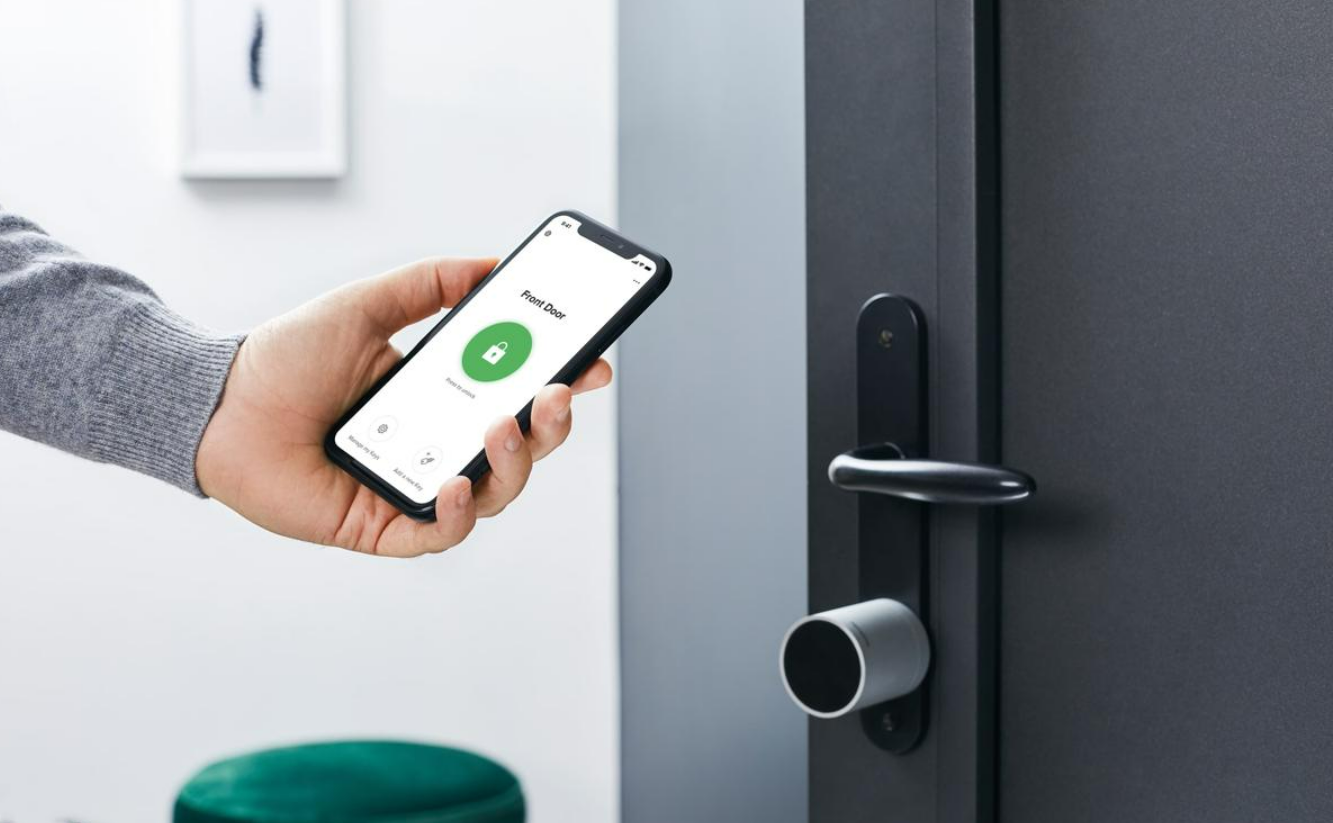
An even better way to avoid a key-exchange snafu is for a landlord to install a Resort Lock system, which allows for electronic key access and the landlord doesn’t have to be there to let you in. Read more.